A whole-home standby generator is usually the stronger choice for automatic, extended backup across many household circuits. A portable power station is a better fit when you want quiet, movable backup for a few essential devices and can manage its limited stored energy. The right option depends on how much power you need, how long an outage may last, and whether you want to pay for permanent installation and fuel-based operation.
Comparisons · Sat Sep 19
Whole-home standby generator versus a portable station
A standby generator is built to power a home through extended outages, often with automatic start and a connection to selected circuits or the whole electrical system. A portable power station is quieter and easier to move, but its battery capacity and output limit how many appliances it can run and for how long.
How the two options differ
A standby generator is permanently installed outdoors and connected to a home through approved transfer equipment. Depending on its capacity and system design, it can serve selected circuits or a larger portion of the home. Many systems can start automatically when utility power fails, but the exact operation depends on the equipment and installation.
A portable power station stores electricity in a battery and supplies power through its outlets. It can be moved and used without fuel, and some models can recharge from wall power, a vehicle, or compatible solar panels. Its available energy is finite: once depleted, you must recharge it or reduce the load.
| Consideration | Whole-home standby generator | Portable power station |
|---|---|---|
| Coverage | Selected circuits or broader home coverage, depending on system capacity and installation | Devices plugged into the station, or home circuits only with compatible, approved transfer equipment |
| Runtime | Can continue while its fuel supply and operating conditions allow | Limited by battery capacity and the connected load; recharging can extend use |
| Startup | May start automatically if designed and installed for automatic operation | Typically requires you to connect devices and manage power manually |
| Noise and location | Runs outdoors and produces engine noise | Quiet during battery operation and can be moved, subject to manufacturer instructions |
| Ongoing needs | Fuel, maintenance, and professional installation | Charging, battery care, and possibly solar or other compatible recharging equipment |
Portable station for essential outage loads
 Anker SOLIX C1000 Portable Power Station with Car Charging Cable, 1,056WhAnker
$449.98 as of
View on Amazon EF ECOFLOW Portable Power Station RIVER 2, 256Wh 300WEF ECOFLOW
$239.00 as of
View on Amazon Anker 521 Portable Power Station Upgraded with LiFePO4 Battery, 256Wh 6-Port Powerhouse, 300W (Peak 600W)…Anker
$229.99 as of
View on Amazon
Product prices and availability are accurate as of the date/time indicated and are subject to change. Any price and availability information displayed on Amazon.com at the time of purchase will apply to the purchase of this product.
Choose a standby generator for broad, automatic backup
A standby generator makes more sense if you want the home to respond to an outage with little hands-on setup, need to keep several circuits running, or expect outages to last long enough that a battery-only option would need frequent recharging.
It is not automatically a whole-home solution just because it is called a standby generator. The generator's output, transfer equipment, and installation determine which loads can operate at once. Large loads such as central air conditioning, electric heating, water heaters, and ranges can require substantial power. Ask a qualified installer to assess the loads and the home's electrical system rather than assuming every appliance can run together.
Consider the practical tradeoffs too: installation planning, local permitting and code requirements, fuel availability, routine maintenance, and a suitable outdoor location. Follow the manufacturer's clearances and operating instructions. Never run a fuel-burning generator indoors, in a garage, or near openings where exhaust could enter the home.
Additional stored energy for a compatible station
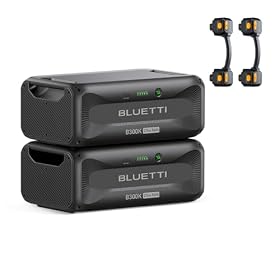 BLUETTI Expansion Battery B300K×2, 5529.6Wh Battery Pack for Apex 300BLUETTI
$2,400.00 as of
View on Amazon AFERIY Portable Power Station Battery 1024Wh Expandable to 5120WhAFERIY
$359.00 as of
View on Amazon Compatible with Anker Portable Power Station Expansion AdapterGeneric
$25.50 as of
View on Amazon
Product prices and availability are accurate as of the date/time indicated and are subject to change. Any price and availability information displayed on Amazon.com at the time of purchase will apply to the purchase of this product.
Choose a portable power station for essential devices and flexibility
A portable station is a practical alternative when you mainly need to keep a refrigerator, phones, lights, a router, or other selected devices running—and you can prioritize them as needed. It avoids engine exhaust during battery operation, is easier to relocate, and can also be useful for camping or other off-grid situations.
Check two ratings before choosing one:
- Output power, in watts: This limits which devices can run at the same time. Compare the station's continuous output with the devices' running requirements, and check whether it can handle a motor's startup surge. A refrigerator, for example, may briefly need more power when its compressor starts.
- Energy capacity, usually in watt-hours: This helps estimate how long the station can supply a load. A larger capacity generally provides more stored energy, but actual runtime varies with the appliance, operating conditions, and power-conversion losses.
Estimate the energy your essential devices use over the outage, then leave margin rather than relying on a best-case runtime estimate. Solar charging can help during a long outage, but its contribution depends on panel compatibility, sunlight, placement, and the station's charging limits. Read the station and panel manuals before connecting them.
A portable station does not automatically power household wiring. If you want to run home circuits rather than plug devices directly into the station, confirm that the station is specifically compatible with approved transfer equipment and have the connection designed or installed by a qualified professional. Never connect a power station to a wall outlet to energize home wiring or improvise a backfeed connection.
Solar recharging for a portable station
 Renogy 100W Portable Solar Panel, 25% High Efficiency Solar Panel Kit with 20A Charger Controller…Renogy
$206.99 as of
View on Amazon- Anker 521 Portable Power Station Upgraded with LiFePO4 Battery, 256Wh 6-Port Powerhouse, 300W (Peak 600W)…Anker
$229.99 as of
View on Amazon 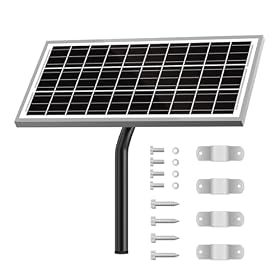 Newpowa 15W 12V 10BB Solar Panel Automatic Gate Openers, Compatible with Mighty Mule, Powered Charger…Newpowa
$54.99 as of
View on Amazon
Product prices and availability are accurate as of the date/time indicated and are subject to change. Any price and availability information displayed on Amazon.com at the time of purchase will apply to the purchase of this product.
Make the decision by outage plan
Choose a standby generator if automatic operation and sustained power for multiple home circuits are your priorities, and you are prepared for permanent installation, fuel, and maintenance.
Choose a portable power station if you can focus on a limited set of essential devices, value portability and quiet operation, and have a workable plan to recharge it during a prolonged outage.
If neither option alone fits, consider a layered plan: use a station for quiet, immediate backup of small essentials and arrange a properly sized generator or other backup for larger or longer-running loads. Compare the actual appliances and circuits you intend to power—not just the labels “whole-home” and “portable.”
FAQ
Can a portable power station power an entire house?
Some systems may support selected household circuits with compatible, approved transfer equipment, but a typical portable station has limited output and stored energy compared with a permanently installed standby system. Check the station's specifications and have any connection to household wiring assessed by a qualified professional.
Can a portable power station keep a refrigerator running during an outage?
It may, if its continuous output and surge capability can handle the refrigerator and its usable energy capacity is sufficient for the desired runtime. Check the refrigerator's power requirements and allow for compressor startup and real-world conversion losses.
Which option is better for a long power outage?
A properly installed standby generator can be more suitable for extended outages if it has an available fuel supply and is maintained. A portable power station can also help, but its runtime depends on stored energy and how reliably you can recharge it.
Can I plug a portable power station into a wall outlet to power my home?
No. Do not use a wall outlet or improvised wiring to feed power back into a home circuit. Use only manufacturer-approved equipment and a properly installed transfer setup, with a qualified professional where household wiring is involved.