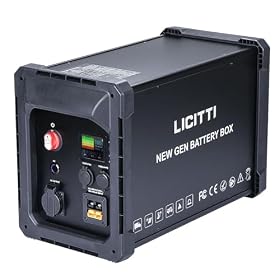
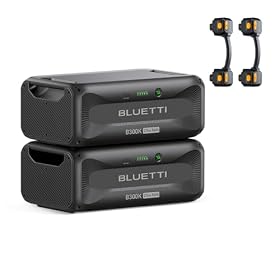
The best expandable kit for a multi-day ice storm combines a portable power station with extra battery capacity, a pure-sine inverter, and more than one charging method. Here is how to size the system around your refrigerator and essential loads.
A strong expandable kit for a multi-day ice storm should be built around your refrigerator’s actual energy use, not just the power station’s headline wattage. For most households, the practical setup is a portable power station with a pure-sine-wave inverter, one or more compatible expansion batteries, and at least two ways to recharge—typically wall charging plus solar or vehicle charging.
What the kit needs to do
During a prolonged outage, the system may need to handle several different jobs:
Keep a refrigerator or freezer cold
Charge phones, laptops, lights, and medical electronics
Power a modem or small network device
Run small appliances intermittently
Recharge during daylight or from a vehicle if utility power remains unavailable
A kit that can run a refrigerator for a few hours is not necessarily suitable for a multi-day outage. The limiting factor is usually stored energy, measured in watt-hours (Wh), rather than the inverter’s maximum watt rating.
The most important specifications
Usable battery capacity
Battery capacity is normally listed in watt-hours, but the full rated capacity is not always available at the outlets. Inverter losses, battery-management limits, and reserve capacity reduce usable energy.
For planning, use a conservative estimate rather than assuming every rated watt-hour reaches your appliances. A larger battery bank gives you more operating margin and reduces the need to drain the system completely.
Expansion batteries are especially useful because they let you add capacity without replacing the main power station. Confirm that the battery is specifically compatible with the power station, and check whether the system supports the number of expansion batteries you intend to connect.
Continuous and surge wattage
The inverter must support both the refrigerator’s running power and its startup surge. Compressor motors can briefly demand substantially more power when they start, even when their normal operating draw is modest.
Look for:
A continuous output rating comfortably above the refrigerator’s running demand
A documented surge rating that can handle compressor startup
A pure-sine-wave inverter for refrigerators and sensitive electronics
Enough AC outlets for the loads you will operate at the same time
Do not rely only on a refrigerator’s average energy label. If possible, check its nameplate, owner’s manual, or manufacturer specifications for starting requirements. A licensed electrician can help with unusual or hardwired equipment.
Charging input and solar compatibility
A large battery is only useful for a multi-day outage if you can replace the energy you consume. Compare the power station’s maximum solar input with the solar panel array you plan to use. A panel array rated above the station’s input limit will not charge faster than that limit.
Solar charging also varies with cloud cover, panel angle, shading, temperature, and snow or ice. Treat solar as a way to extend runtime, not as a guaranteed replacement for grid power during a winter storm.
A useful expandable kit may include:
AC charging from a wall outlet before the storm
Solar charging during daylight
Vehicle charging as a backup when safe travel is possible
Check connector types, voltage limits, polarity, and the manufacturer’s approved charging accessories before connecting panels or cables.
Product prices and availability are accurate as of the date/time indicated and are subject to change. Any price and availability information displayed on Amazon.com at the time of purchase will apply to the purchase of this product.
How much capacity do you need?
Start with the refrigerator, then add the smaller loads you expect to use.
Use this basic estimate:
daily energy use = watts × hours of operation
For a refrigerator, the compressor does not run continuously, so its average consumption may be much lower than its running wattage. A refrigerator energy label or plug-in power meter can provide a better estimate than multiplying the compressor’s running watts by 24 hours. If you do not have measured data, use a conservative estimate and add a reserve for cold weather and inverter losses.
Then estimate the rest of the load:
Refrigerator or freezer: use its measured or published daily energy consumption
Internet equipment: include the modem and router’s combined wattage
Lighting: multiply each light’s wattage by expected hours
Phones and laptops: use charger input ratings as a rough estimate
Medical equipment: follow the equipment manufacturer’s power requirements and keep additional backup options where appropriate
Add the daily totals, multiply by the number of outage days, and include a reserve. For a multi-day ice storm, extra capacity is valuable because solar production may be poor and travel may be unsafe.
Product prices and availability are accurate as of the date/time indicated and are subject to change. Any price and availability information displayed on Amazon.com at the time of purchase will apply to the purchase of this product.
A practical kit layout
Main power station
Choose a unit with enough inverter capacity for refrigerator startup and the other devices you may operate at the same time. It should have clear battery-state information, protected outlets, and charging options suited to your location.
A larger inverter does not automatically mean longer runtime. Prioritize battery capacity after confirming that the inverter can handle startup and simultaneous loads.
Expansion battery
An expansion battery is usually the most direct way to increase runtime. It is a good choice when:
The outage may last multiple days
You want to preserve a reserve instead of deeply draining the main battery
Solar conditions may be unreliable
You want to run a refrigerator while charging other devices
Buy only expansion batteries listed as compatible with the specific power station. Capacity, connector design, firmware requirements, charging limits, and expansion-battery count can differ between product families.
Solar panels
Solar panels can reduce battery drain during daylight, but winter conditions are demanding. Snow-covered panels, low sun angles, overcast skies, and short days can substantially reduce output.
Set panels where they can be cleared safely and exposed to the sun. Never climb onto an icy roof to reposition them. Keep the array within the power station’s input voltage and current limits.
Vehicle charging
A compatible car-charging cable can provide another option when solar is weak. Charge only in a well-ventilated outdoor location, never in a closed garage. Follow the vehicle and power-station instructions, and avoid running a vehicle unnecessarily in severe weather.
Product prices and availability are accurate as of the date/time indicated and are subject to change. Any price and availability information displayed on Amazon.com at the time of purchase will apply to the purchase of this product.
How to operate the kit during the outage
Fully charge the power station and expansion batteries before the storm. Confirm that the expansion battery is recognized and charging normally.
Keep the refrigerator closed. Opening the door less often preserves cold and reduces compressor runtime.
Use the refrigerator’s normal outlet when possible. Avoid unnecessary extension-cord length and undersized cords.
Run high-draw appliances one at a time. Do not add heaters, kettles, coffee makers, hair dryers, or cooking appliances unless the system is specifically sized for them.
Set a reserve threshold. Keep enough battery for overnight operation or unexpected weather rather than using the final charge percentage.
Recharge during the best available window. Use solar in daylight and vehicle charging only when conditions are safe.
Inspect cables and connectors. Stop using equipment that is hot, damaged, wet, or showing error messages.
Product prices and availability are accurate as of the date/time indicated and are subject to change. Any price and availability information displayed on Amazon.com at the time of purchase will apply to the purchase of this product.
Common mistakes to avoid
Choosing by battery size alone
A large battery with an undersized inverter may fail when a refrigerator compressor starts. Check continuous and surge output separately.
Assuming solar panels provide their rated output all day
Panel wattage is a laboratory rating under favorable conditions. Winter weather can produce much less energy, so size the battery for periods with little or no solar input.
Mixing incompatible expansion batteries
Do not combine batteries from different product families or use unofficial adapters unless the manufacturer explicitly permits it. Compatibility is more than matching voltage or connector shape.
Powering a home through a wall outlet
Never backfeed a home by plugging the power station into a household outlet. Use only approved transfer equipment installed according to local electrical requirements. A qualified electrician should handle connections to household circuits.
Using indoor combustion equipment
A portable power station does not produce carbon monoxide, but gasoline or propane generators do. Never operate a fuel-burning generator indoors, in a garage, or near doors and windows. Follow local emergency guidance and generator safety instructions.
When an expandable power station is the wrong choice
A battery-based kit may not be practical if you need to run electric heat, a well pump, a sump pump, a large chest freezer, or multiple high-wattage appliances for several days. Those loads can require far more energy than a portable system can store or recharge from solar.
For hardwired equipment or whole-home backup, consult a qualified electrician about a properly sized transfer switch, generator inlet, or permanently installed battery system. A portable power station is best reserved for selected essential loads unless the manufacturer and electrical installation support more extensive use.
The best expandable kit is therefore the one that matches your refrigerator’s startup demand, provides enough usable watt-hours for the expected outage, and has a realistic recharge plan for cloudy winter conditions. When in doubt, choose more battery reserve and fewer optional loads rather than operating at the system’s limits.
FAQ
How large should a power station be for a refrigerator during an ice storm?
Size it from the refrigerator’s measured or published daily energy use, then add inverter losses and a reserve for poor charging conditions. Also confirm that the inverter’s continuous and surge ratings can handle the compressor startup.
Is one expansion battery enough for a multi-day outage?
It depends on the refrigerator, other loads, outage length, and recharge opportunities. A single expansion battery may be adequate for essential loads, but multi-day winter outages often justify additional capacity because solar output can be limited.
Can I use any expansion battery with a portable power station?
No. Expansion batteries are generally designed for specific power-station families. Verify compatibility, supported battery count, connectors, voltage limits, and any firmware or charging requirements before buying.
Can a portable power station run a refrigerator and a heater?
Some systems may power a small heater briefly, but electric heaters consume substantial energy and can exhaust the battery quickly. Running a refrigerator plus space heating usually requires a much larger system than refrigerator backup alone.
Can I connect a portable power station to my home outlets?
Do not plug a power station into a household outlet to energize home wiring. That can cause dangerous backfeed. Use approved transfer equipment installed by a qualified electrician if you need to power dedicated household circuits.