A LiFePO4 portable power station is usually the better long-term upgrade from an older NMC model, but capacity, inverter output, UPS behavior, and battery health matter just as much as chemistry.
If you are deciding whether to replace an older NMC portable power station with a LiFePO4 model, the newer chemistry is usually the better choice for frequent use and long-term ownership. LiFePO4 batteries generally offer a longer cycle life and strong thermal stability, while older NMC stations can still make sense when they are lighter, cheaper, or already meet your outage and camping needs.
The battery chemistry is only part of the decision. Compare usable capacity, continuous and surge output, charging speed, UPS behavior, ports, solar-input limits, and the condition of the older station before replacing it.
Generally higher, but the actual rating depends on the manufacturer and operating conditions
Generally lower than LiFePO4, especially after years of use
Energy density
Usually lower, so the unit may be larger or heavier for the same capacity
Usually higher, which can help reduce size and weight
Cold-weather charging
Often requires charging-temperature protection or warming; follow the manual
Also requires operation within the manufacturer’s temperature limits
Replacement decision
Strong candidate when you want a station for repeated use
Reasonable to keep if capacity and runtime remain adequate
These are broad chemistry-level differences, not guarantees for every product. A well-maintained NMC station may outperform a poorly designed or poorly stored LiFePO4 unit in a particular use case.
Why LiFePO4 is usually the better upgrade
Longer useful service life
LiFePO4 cells are commonly chosen for applications that involve frequent charging and discharging. That makes them attractive for daily solar use, repeated camping trips, and outages where the station may be cycled often.
Do not compare cycle-life numbers without checking how each manufacturer defines a cycle. Some ratings are measured until the battery reaches a particular remaining capacity, and real-world results depend on load size, temperature, charging habits, and storage.
Stronger thermal stability
LiFePO4 chemistry is generally considered more thermally stable than NMC. The station still contains high-energy batteries, wiring, electronics, and an inverter, so it is not risk-free. Keep it dry, ventilated, and away from excessive heat. Stop using it if the case is swollen, damaged, unusually hot, or producing an odor, and follow the manufacturer’s safety instructions.
Better fit for long-term ownership
A LiFePO4 station can be the more sensible purchase when you expect to keep it for years and use it regularly. The higher upfront cost, if applicable, may be easier to justify when the station will serve as outage backup, solar storage, or a frequently used camping power source.
Product prices and availability are accurate as of the date/time indicated and are subject to change. Any price and availability information displayed on Amazon.com at the time of purchase will apply to the purchase of this product.
Where an older NMC station can still win
Lower weight
NMC batteries have higher energy density in many applications. An older NMC station may therefore be easier to carry for its rated capacity. This matters for short camping trips, car travel, and situations where you move the unit often.
Check the actual weight rather than assuming one chemistry is always lighter. Product design, inverter size, cooling hardware, casing, and accessories also affect portability.
Adequate performance for occasional use
If you use the station only a few times per year, the battery may still have enough capacity for your needs. A station that can run your essential devices for the required duration does not automatically need replacement just because newer LiFePO4 models exist.
Test the older unit conservatively before relying on it for an outage. Confirm that it charges normally, holds power, runs the intended load, and does not show warning lights or unusual heat.
Existing accessories and setup
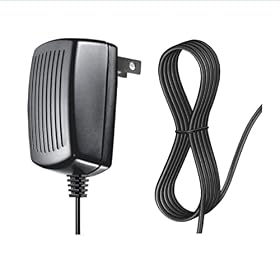
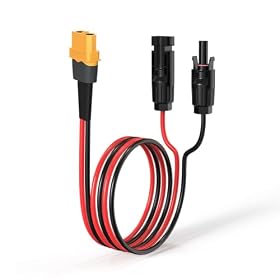
Replacing a station can also mean replacing or rechecking solar panels, charging cables, adapters, and mounting arrangements. Verify connector type, input voltage, current limits, and polarity before connecting accessories. Never force a connector or exceed the station’s published input ratings.
Product prices and availability are accurate as of the date/time indicated and are subject to change. Any price and availability information displayed on Amazon.com at the time of purchase will apply to the purchase of this product.
Compare capacity before comparing chemistry
Battery capacity is commonly listed in watt-hours, or Wh. Runtime is not simply the station’s rated watt-hours divided by the appliance’s label wattage because the inverter and other electronics consume some energy.
The usable fraction varies by station, load, battery condition, temperature, and manufacturer settings. For a refrigerator, also account for compressor startup and cycling. A fridge that averages modest power over time may still require a substantially higher inverter surge rating when the compressor starts.
When comparing an older NMC station with a new LiFePO4 model, check:
Rated capacity in Wh
Whether the manufacturer specifies usable capacity
Continuous AC output in watts
Surge or peak output and its duration
AC, USB, and DC port limits
Recharge time from AC power, solar, and a vehicle
Solar input voltage and current range
Low-temperature charging restrictions
Warranty and battery-service options
A larger-capacity LiFePO4 station is not automatically a better choice if it cannot accept your solar array, fit your storage space, or supply the startup power your equipment needs.
Which option is better for refrigerator backup?
For refrigerator backup, prioritize inverter capability and usable capacity over chemistry alone. Confirm that the station supports the refrigerator’s running load and startup demand. Manufacturer guidance for the refrigerator or station may provide a starting wattage, but real startup requirements vary.
A LiFePO4 station is often preferable when you expect repeated outages or regular recharge cycles. An older NMC unit can remain useful as an emergency backup if it has enough remaining capacity and a suitable inverter.
For longer outages, consider how you will recharge the station. Solar input can extend runtime during daylight, but the panel’s voltage and current must fall within the station’s input range. A vehicle charger may be useful while driving, but it may recharge slowly compared with AC power and should be installed or connected according to the manufacturer’s instructions.
Which option is better for camping?
Choose based on how often you carry and recharge the station:
Occasional car camping: An older NMC unit may be sufficient if weight and existing accessories are convenient.
Frequent camping: LiFePO4 is usually more attractive because repeated cycling can make its longer service life valuable.
Cold-weather trips: Check the charging-temperature limits carefully. Do not charge a battery outside the permitted range, even if the station still powers devices.
Remote trips: Favor the unit with the more dependable recharge options, clearer battery information, and adequate surge capacity for your equipment.
A station that is too heavy to bring or too slow to recharge may be less useful than a smaller unit with a less favorable chemistry.
When should you replace the older NMC station?
Replacement is reasonable when one or more of these conditions apply:
Runtime has dropped enough that it no longer covers your essential loads.
The station shuts down under loads it previously handled.
It refuses to charge, discharges unusually quickly, or reports repeated battery faults.
The case is swollen, cracked, wet, or physically damaged.
The fan, inverter, or charging system behaves abnormally.
You need repeated cycling for solar storage or frequent outages.
The older station lacks the output, ports, or solar input needed by your current equipment.
Replacement batteries or manufacturer support are unavailable.
Do not continue using a station with swelling, smoke, burning odor, liquid intrusion, or severe overheating. Disconnect it from charging and loads if it is safe to do so, keep it away from combustible materials, and contact the manufacturer or a qualified service professional. Do not open or modify the battery pack yourself.
When should you keep the older NMC model?
Keep it as a secondary or occasional-use station if it passes basic checks, has no physical damage, and still provides enough runtime. It can be useful for phones, lights, routers, laptops, or short-duration backup even if a new LiFePO4 station becomes your primary unit.
Store it according to the manufacturer’s instructions. Avoid long-term storage at extreme temperatures, check the charge periodically, and do not leave it connected indefinitely unless the manual specifically permits that arrangement.
Bottom line
Choose a LiFePO4 portable power station when you want frequent cycling, long-term ownership, or a primary backup for repeated outages. Keep an older NMC model when it remains healthy, portable, and adequate for occasional use. For a replacement decision, compare usable watt-hours, inverter surge capability, recharge options, temperature limits, and battery condition—not just the chemistry printed on the label.
FAQ
Is LiFePO4 safer than NMC in a portable power station?
LiFePO4 chemistry is generally more thermally stable than NMC, but both are high-energy battery systems that require proper charging, ventilation, storage, and handling. Follow the manufacturer’s instructions and stop using a station that is swollen, damaged, unusually hot, or producing an odor.
Should I replace an older NMC power station with LiFePO4?
Replacement is most compelling when the NMC station has lost significant runtime, is used frequently, lacks needed output or charging features, or has no practical battery support. If it remains healthy and meets your occasional-use needs, you may not need to replace it immediately.
Is LiFePO4 heavier than NMC?
For comparable stored energy, LiFePO4 designs may be larger or heavier because NMC generally has higher energy density. Actual product weight also depends on the inverter, cooling system, casing, ports, and accessories.
Can a LiFePO4 power station run a refrigerator?
It can if its usable capacity covers the expected runtime and its inverter supports the refrigerator’s running and startup demands. Check continuous and surge output, and allow for inverter losses and compressor cycling.
Can I charge a LiFePO4 station in freezing weather?
Only if the manufacturer permits charging at that temperature. Many LiFePO4 systems restrict charging in cold conditions, so use the station’s temperature protection or warming guidance and do not bypass safety controls.