A portable power station is quieter, cleaner, and easier to use indoors than a gas generator, but a gas generator usually delivers longer runtime and faster refueling. Choose based on the appliances you need to run, how long outages last, and whether you can safely store and use fuel.
Power station versus a gas generator
A portable power station is usually the better choice for quiet, simple backup power, while a gas generator is generally better for extended outages and higher continuous loads. The right option depends on the appliances you need to run, their startup demands, how long you expect to be without utility power, and whether you can operate a fuel-burning generator safely outdoors.
Quick comparison
Factor
Portable power station
Gas generator
Energy source
Stored battery energy
Gasoline or another approved fuel, depending on the model
Indoor use
No combustion; follow the manufacturer’s placement and charging guidance
Never use indoors, in a garage, basement, shed, or other enclosed area
Noise
Usually very quiet, though fans may run under load
Engine and exhaust are significantly louder
Refueling
Recharge from an outlet, vehicle, or compatible solar panel
Add fuel only after shutting down and allowing the engine to cool
Long outages
Limited by battery capacity and recharge access
Can run for much longer if fuel is safely available
High-power appliances
Limited by inverter output and surge rating
Often better suited to larger continuous and starting loads
Maintenance
Little routine maintenance, but batteries age
Requires fuel management, oil checks, and periodic engine maintenance
Exhaust
None during battery operation
Carbon monoxide and other exhaust gases
Best fit
Short outages, electronics, quiet camping, and simple emergency backup
Extended outages, heavy loads, and situations requiring frequent refueling
Choose a portable power station when quiet, clean backup matters
A portable power station stores electricity in a battery and supplies AC power through an inverter. It can also provide USB, DC, or vehicle-style outputs, depending on the model.
It is a strong fit when you need to:
Keep phones, laptops, lights, routers, and small medical or communication devices running
Power a refrigerator for limited periods, provided the station can handle its startup surge
Avoid engine noise at a campsite or during a nighttime outage
Use backup power without storing gasoline
Move the power source easily between a home, vehicle, campsite, or job site
Recharge from solar panels when the grid is unavailable
A power station does not create new energy while it is running. Its runtime depends on battery capacity, inverter losses, the load, and whether solar or another charging source is connected.
Product prices and availability are accurate as of the date/time indicated and are subject to change. Any price and availability information displayed on Amazon.com at the time of purchase will apply to the purchase of this product.
Choose a gas generator when runtime and power output come first
A gas generator uses an engine to produce electricity. It is often the more practical choice when you need to run several high-demand appliances or remain off-grid for multiple days.
A generator may be preferable when you need to operate:
Large refrigerators or freezers for long periods
Sump pumps, well pumps, or other motor-driven equipment
Multiple appliances at the same time
High-wattage tools or heating equipment, if the generator is properly sized
Backup equipment during a prolonged outage when fuel can be obtained and stored safely
The tradeoffs are noise, exhaust, fuel handling, maintenance, and more complicated safety requirements. A gas generator must be operated outdoors, well away from doors, windows, and vents. Follow local guidance and the generator manufacturer’s instructions for placement, grounding, refueling, and connection to household circuits.
Product prices and availability are accurate as of the date/time indicated and are subject to change. Any price and availability information displayed on Amazon.com at the time of purchase will apply to the purchase of this product.
Compare watts, watt-hours, and startup surge
The most important specifications are not just the advertised maximum output. Compare both the appliances and the power source using three measurements.
Continuous watts
Continuous or running watts describe how much power the unit can supply over time. Add the running wattage of the appliances you expect to use simultaneously, then leave a margin rather than sizing exactly to the limit.
A power station’s continuous AC output must be high enough for the combined load. A generator also needs enough running capacity for the same load.
Surge or starting watts
Refrigerators, freezers, pumps, compressors, and some tools can briefly draw much more power when their motors start. Check both the appliance’s starting requirement and the power source’s surge rating.
If a refrigerator starts reliably when it is the only load connected but shuts down the power station when other devices are running, the combined startup demand may exceed the inverter’s capability. Reduce the simultaneous load or choose a unit with a higher continuous and surge rating.
Watt-hours
Watt-hours, or Wh, describe stored battery energy. A simple estimate is:
Actual runtime is lower than the nameplate battery capacity because of inverter losses, battery-management limits, the device’s operating mode, and changing appliance demand. A refrigerator also cycles on and off rather than drawing its listed running wattage continuously.
Gas generators are usually compared by output watts and fuel consumption rather than watt-hours. Their practical runtime depends on tank capacity, load, engine efficiency, and fuel availability.
Running a refrigerator: power station or generator?
Both can run a refrigerator if properly sized, but they solve different parts of the problem.
A portable power station is convenient for short backup periods. Confirm that it has:
Enough continuous AC output for the refrigerator’s running load
Enough surge capability for compressor startup
Sufficient battery capacity for the expected outage
An appropriate charging method if the outage may last beyond the battery’s initial charge
Adequate ventilation around the power station, as specified by its manufacturer
A gas generator is often more suitable for long outages because refueling restores operating time. However, it must remain outdoors and cannot be connected to a home’s wiring through an ordinary wall outlet. If you want to power selected household circuits, use a properly installed transfer switch or interlock system handled by a qualified electrician.
Safety differences that affect the decision
Portable power station safety
Battery power eliminates combustion exhaust, but it does not eliminate electrical or battery hazards. Use the supplied charger or a compatible charger approved by the manufacturer. Keep the unit dry unless it is specifically rated for wet conditions, avoid damaged cables, and do not cover ventilation openings.
Do not connect a power station to household wiring in an improvised way. A plug-to-plug cord can energize exposed prongs and create a serious shock or fire hazard. Use only connection equipment and transfer methods approved for the specific system.
Gas generator safety
Never operate a fuel-burning generator inside a home, garage, basement, crawl space, shed, vehicle, or partially enclosed area. Carbon monoxide can accumulate quickly and may not be detectable without an alarm.
Keep the generator away from openings into the home, use carbon monoxide alarms as recommended, and allow the engine to cool before refueling. Store fuel only as permitted by local rules and the fuel container’s instructions. Keep it away from ignition sources and living areas.
Which option costs less?
The purchase price alone does not determine the better value.
A portable power station may cost more for a large battery and high-output inverter, and its battery will gradually lose capacity with age and use. In return, it generally needs less routine maintenance and no gasoline during operation.
A gas generator may provide more usable energy for long outages, but account for fuel, oil, maintenance, storage, and possible accessories such as approved cords, covers, or a transfer setup. Fuel availability can also become a problem during a widespread outage.
For occasional short outages, the convenience and low noise of a power station may justify its cost. For frequent or extended outages with substantial loads, a fuel generator may offer more practical runtime.
Solar charging changes the power station calculation
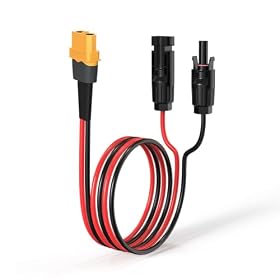
A compatible solar panel can extend a power station’s usefulness during a prolonged outage or camping trip. Solar charging is limited by sunlight, panel output, the power station’s solar input limits, cable compatibility, and charging conditions.
Solar panels are not an equivalent replacement for gasoline refueling in every situation. They may produce little energy overnight, during storms, or in shaded locations. Check the power station’s allowed solar voltage, current, connector type, and maximum input before buying panels.
What about a dual-fuel or inverter generator?
Some gas generators support more than one approved fuel, and inverter generators may provide cleaner, electronically regulated output with lower noise than conventional designs. These features can improve convenience, but they do not change the basic requirements:
Fuel-burning generators still need outdoor operation and carbon monoxide precautions.
The generator still must be sized for running and startup loads.
Fuel storage and maintenance still matter.
A model’s noise, output, fuel type, and connection options must be checked in its specifications rather than assumed from the product category.
A practical decision rule
Choose a portable power station if your priorities are quiet operation, easy setup, no exhaust, short-to-moderate backup duration, and loads such as electronics, lights, communications equipment, and a refrigerator used selectively.
Choose a gas generator if your priorities are extended runtime, higher power output, multiple large appliances, pumps, or tools, and you have a safe outdoor operating location plus a reliable fuel plan.
Some households use both: a power station for nighttime, indoor-adjacent, or short-duration loads, and a properly operated generator for longer outages and heavier equipment. Do not connect the two systems together unless the manufacturers specifically permit it and the connection method is designed for that purpose.
FAQ
Is a portable power station safer than a gas generator indoors?
A portable power station does not produce combustion exhaust, but it still must be kept dry, ventilated as directed, and used with compatible charging and connection equipment. A gas generator must never be operated indoors or in an enclosed or partially enclosed space because of carbon monoxide.
Can a portable power station run a refrigerator?
Yes, if its continuous output can handle the refrigerator’s running load, its surge rating can handle compressor startup, and its battery has enough usable capacity for the required runtime. Check the refrigerator and power station specifications rather than relying only on the advertised battery size.
Which lasts longer during a power outage?
A gas generator can usually run as long as it has an approved fuel supply and is maintained properly. A portable power station is limited by its stored battery capacity unless it can be recharged from solar power, a vehicle, or another compatible source.
Can I plug a generator into a wall outlet to power my house?
No. Improvised backfeeding through a wall outlet can energize wiring and endanger occupants and utility workers. Use a properly installed transfer switch or interlock system and follow the generator and electrical equipment instructions.
Do portable power stations need maintenance?
They generally need less routine maintenance than engines, but batteries age, charging equipment can fail, and stored units should be kept and recharged according to the manufacturer’s guidance. Inspect cables and the enclosure for damage before use.